Swarex Shipping & Aviation Pvt Ltd. Railway Station, 102, C35, Heli Apartment, Sector 11, Mira Road, Thane, Maharashtra 401107.
18
Jul

India–UK Trade Agreement 2026: What Importers & Exporters Need to Know

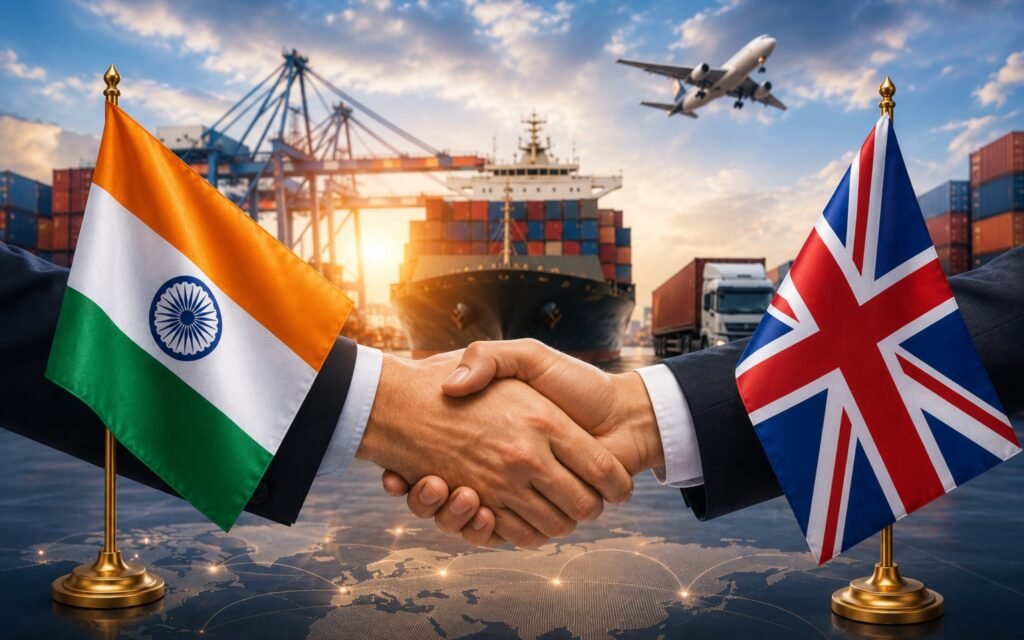
The India–UK Trade Agreement 2026, officially known as the India–United Kingdom Comprehensive Economic and Trade Agreement (CETA), marks one of the most significant trade milestones between the two nations. The agreement, which comes into effect on 15 July 2026, is expected to strengthen bilateral trade by reducing tariffs, improving market access, encouraging investments, and simplifying trade for businesses operating between India and the United Kingdom.

One of the biggest highlights of this agreement is that around 99% of Indian exports are expected to receive duty-free access to the UK market, creating significant opportunities for manufacturers, exporters, and businesses across multiple industries. At the same time, India will gradually reduce tariffs on selected UK products, making imports more competitive while maintaining protection for sensitive sectors.

For businesses involved in international trade, this agreement opens new opportunities—but it also makes proper customs clearance, documentation, freight forwarding, and regulatory compliance more important than ever.

At Swarex Logistics Limited, we help businesses simplify international trade through professional Customs Clearance Services, Freight Forwarding, Air Freight, Sea Freight, Import Documentation, and Export Documentation, ensuring cargo moves efficiently while remaining fully compliant with Indian Customs regulations.

What is the India–UK Trade Agreement (CETA)?

The India–UK Comprehensive Economic and Trade Agreement (CETA) is a bilateral trade agreement designed to strengthen economic cooperation between India and the United Kingdom. The objective of the agreement is to reduce trade barriers, improve market access, increase bilateral investments, and promote long-term economic growth.

The agreement provides businesses with better opportunities to import and export goods by reducing or eliminating tariffs on a large number of products. It also aims to improve supply chain efficiency, encourage cross-border investments, and make international trade more competitive for businesses in both countries.

While tariff concessions create cost advantages, businesses must still comply with customs procedures, documentation requirements, product-specific regulations, and freight planning to ensure smooth cargo movement.

Key Highlights of the India–UK Trade Agreement 2026

Key Feature

Business Benefit

Effective Date

15 July 2026

Indian Exports

Around 99% of exports receive duty-free access to the UK

UK Products

Gradual tariff reduction on selected imports into India

Trade Objective

Increase bilateral trade and investments

Business Impact

Lower trade costs, better market access, improved competitiveness

Industries Benefiting

Machinery, Chemicals, Textiles, Engineering, Electrical Equipment, Marine Products, Gems & Jewellery and more

How Will the India–UK Trade Agreement Benefit Indian Exporters?

The agreement creates substantial opportunities for Indian exporters by improving access to one of the world’s largest consumer markets.

Businesses exporting to the UK can expect several advantages:

Lower tariffs can significantly improve profit margins while helping Indian exporters compete more effectively with suppliers from other countries.

Industries Expected to Benefit the Most

The India–UK Trade Agreement is expected to benefit several industries that already have strong export potential.

Machinery & Engineering Equipment

Indian manufacturers exporting industrial machinery and engineering equipment are expected to gain improved access to the UK market. Lower tariffs can help increase competitiveness while creating new export opportunities for manufacturers and suppliers.


Machinery Import & Export Customs Clearance

Machinery & Engineering Equipment

Electrical machinery, industrial equipment, and electrical components are among the sectors expected to benefit from improved market access. Businesses exporting electrical products should also ensure compliance with UK product standards and customs documentation.


Electrical Equipment Customs Clearance

Chemicals

Chemical manufacturers and exporters can benefit from easier market access while maintaining compliance with international shipping regulations, hazardous cargo documentation, and customs procedures.


Chemical Customs Clearance

Textiles & Garments

India’s textile industry is expected to become more competitive in the UK market due to reduced tariff barriers. Manufacturers of garments, fabrics, home textiles, and fashion products may benefit from improved export opportunities.

Gems & Jewellery

India is already one of the world’s leading exporters of gems and jewellery. The trade agreement is expected to strengthen export opportunities for jewellery manufacturers, diamond processors, and precious metal exporters.


Jewellery Customs Clearance

Marine Products

Marine products remain an important export category for India. Improved market access could increase export opportunities for seafood processors and exporters while requiring efficient cold-chain logistics and customs clearance.

How Will the India–UK Trade Agreement Benefit Indian Exporters?

The agreement is equally beneficial for businesses importing products from the United Kingdom.

Indian importers may gain access to:

Lower tariffs on eligible products can reduce procurement costs and improve supply chain efficiency for Indian businesses.

However, businesses importing goods from the UK must still comply with Indian Customs regulations, product-specific approvals, customs valuation, and documentation requirements before cargo can be released.

Why Customs Clearance Still Matters Under the India–UK Trade Agreement

A common misconception is that Free Trade Agreements eliminate customs procedures.

In reality, the agreement reduces tariffs—but it does not remove customs compliance requirements.

Businesses importing or exporting goods between India and the UK still require:

Errors in documentation or customs classification can still lead to shipment delays, penalties, and additional costs despite tariff benefits.

How Swarex Logistics Supports India–UK Trade

As international trade between India and the United Kingdom continues to grow, businesses require more than just transportation—they need an experienced logistics partner capable of managing the complete supply chain.

Swarex Logistics Limited provides end-to-end logistics solutions including:

Whether you are exporting engineering goods to London or importing industrial equipment from Manchester, our experienced team ensures every shipment moves efficiently while complying with Indian Customs regulations.

Conclusion

The India–UK Trade Agreement 2026 represents a major step forward in strengthening economic relations between India and the United Kingdom. With reduced tariffs, improved market access, and increased trade opportunities across industries such as machinery, chemicals, textiles, electrical equipment, marine products, and gems & jewellery, businesses now have greater potential to expand internationally.

However, successful international trade depends on much more than tariff benefits. Accurate documentation, customs compliance, freight planning, and efficient logistics remain critical to ensuring shipments move without delays.

Businesses looking to maximise the benefits of the India–UK Trade Agreement should work with an experienced logistics partner who understands customs regulations, documentation requirements, and international freight operations.

Swarex Logistics Limited is committed to helping importers and exporters navigate every stage of international trade with reliable Customs Clearance, Freight Forwarding, Air Freight, and Sea Freight solutions tailored to their business needs.

Share This Post

About Author